




News

Veterinary Students Gain Hands-On Animal Welfare Experience at Chengdu Bear Rescue Centre
On November 8, the College of Veterinary Medicine, in collaboration with the Chengdu Bear Rescue Centre, organized an on-site training session as part of the Animal Welfare Study and Practical Training Certificate Programme. Twenty students participated in the training, taking their learning beyond the classroom and into a real-world animal rescue setting.
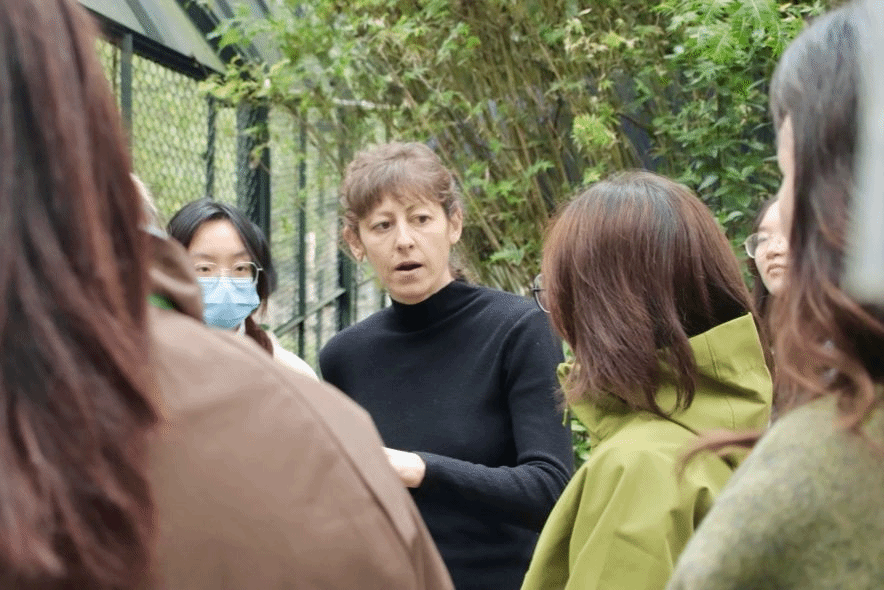
Led by two international experts, the training covered three key areas: animal nutrition, environmental enrichment, and animal behaviour. The session combined animal welfare principles with real-life cases from bear rescue and rehabilitation. Following the classroom session, students visited the outdoor areas near the bear enclosures, where they applied their knowledge to observe, assess, and score various indicators of bear welfare.
“This field training gave me a more comprehensive understanding of animal welfare. The English-language instruction also motivated me to independently review professional terminology and reinforce my knowledge through practical experience,” said student Qiqi Shao.
The field training represents an important step in the college's efforts to promote curriculum innovation and strengthen experiential learning. By extending animal welfare education beyond the traditional classroom and into a working rescue centre, the programme provided students with valuable opportunities to apply their knowledge in an English-language learning environment. It also encouraged them to develop a deeper understanding of animal welfare grounded in respect for life and scientific principles.
Looking ahead, the college will continue to strengthen partnerships with external organizations to create more opportunities for collaborative education and practical training. These efforts aim to cultivate veterinary professionals who combine strong clinical competencies with compassion for animals and a commitment to ecological conservation.
Figure 1. Amanda delivers a training session to the students.
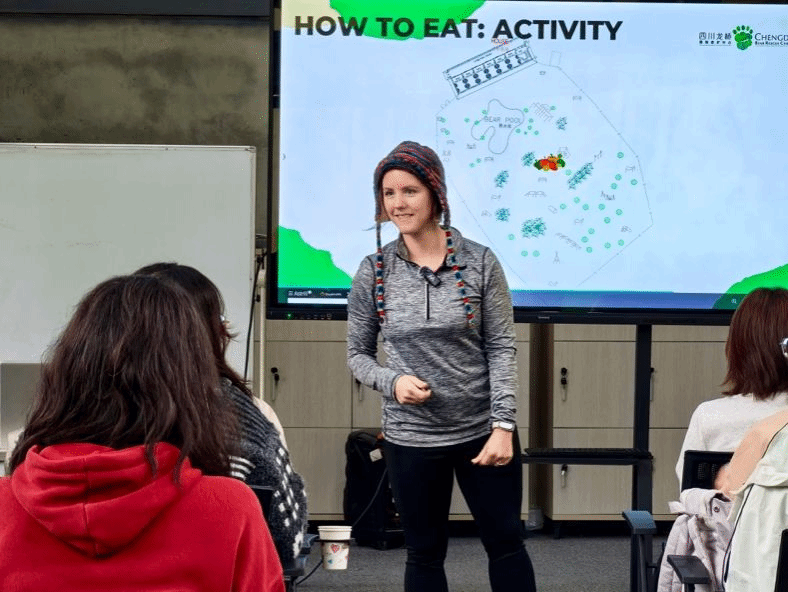
Figure 2. Students assess and score animal welfare indicators.
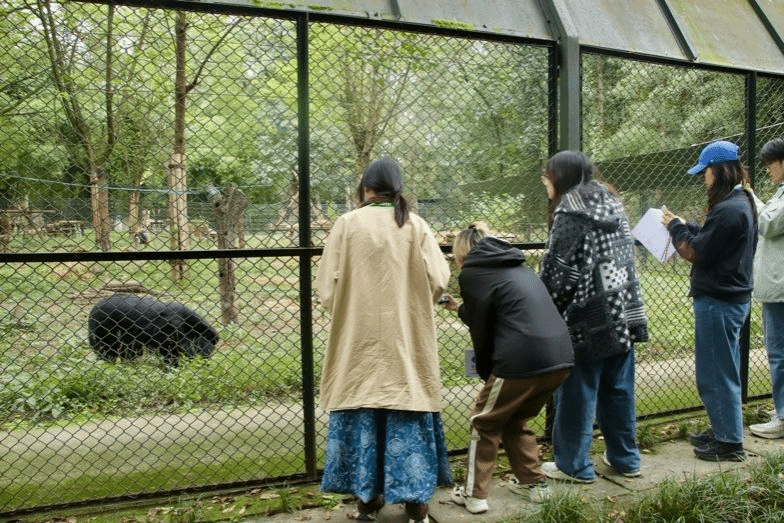
Figure 3. Molly interacts with the students during the training.
 028-86296382
 No. 211 Huimin Road, Wenjiang District, Chengdu, Sichuan Province
